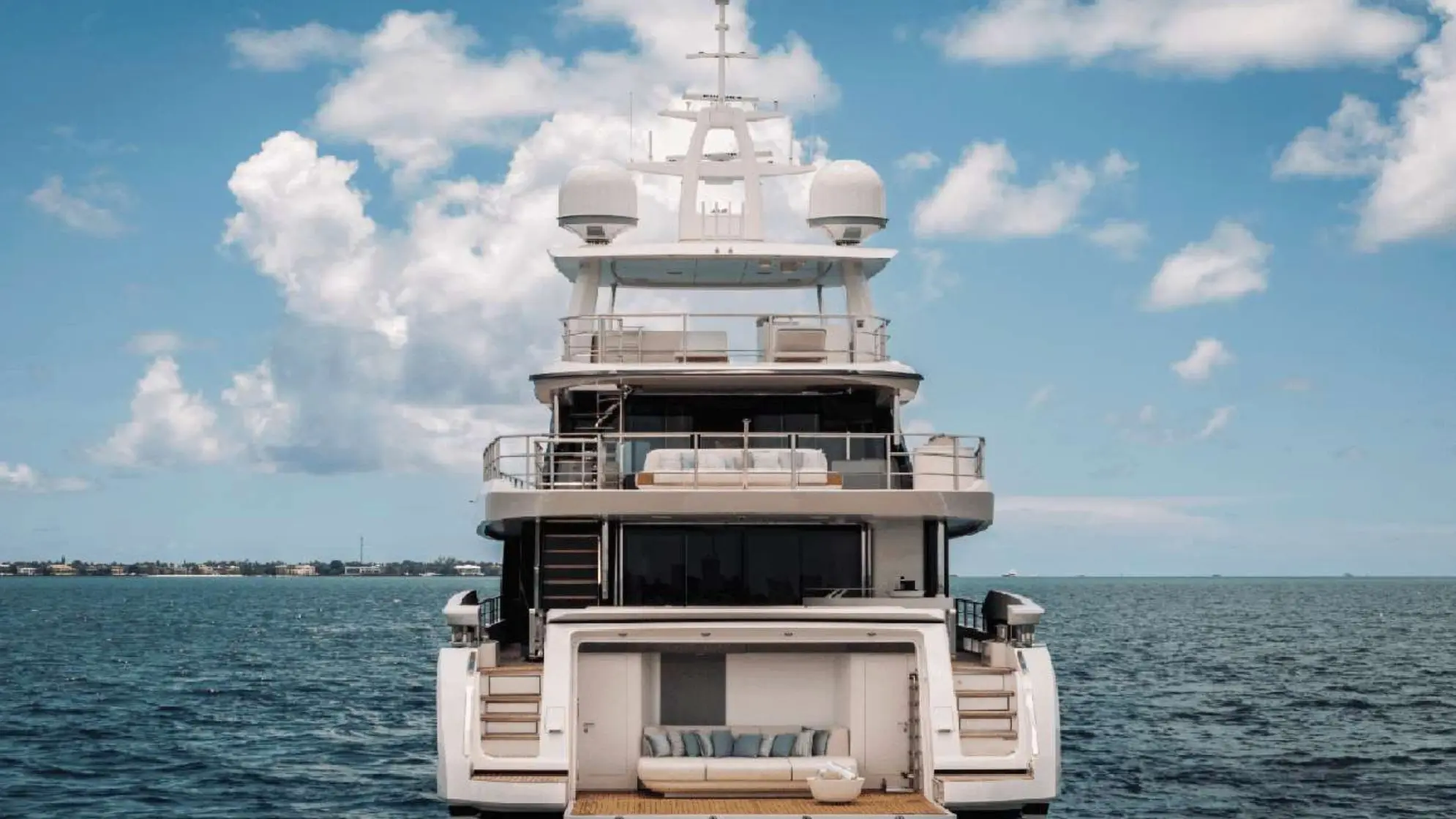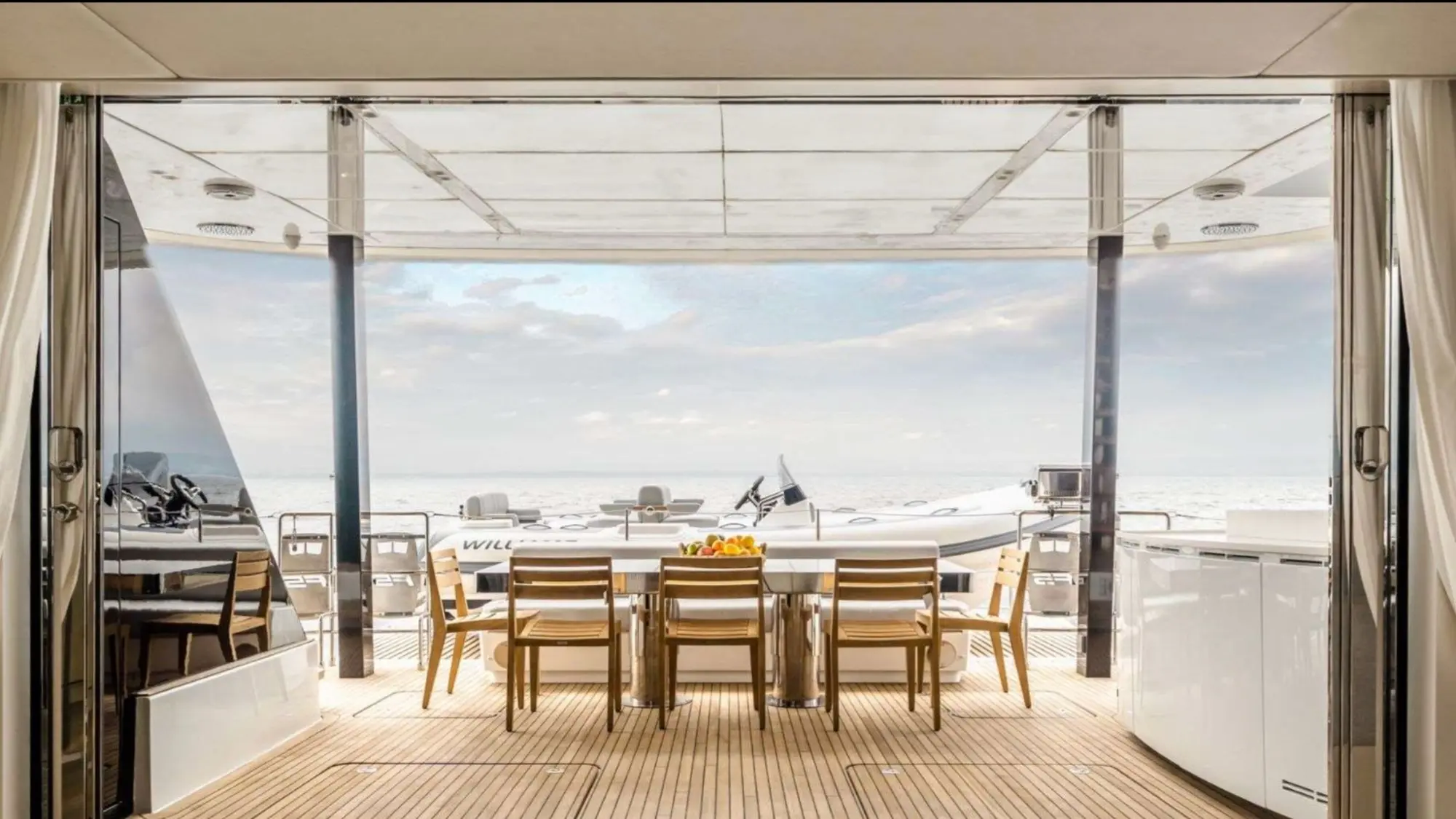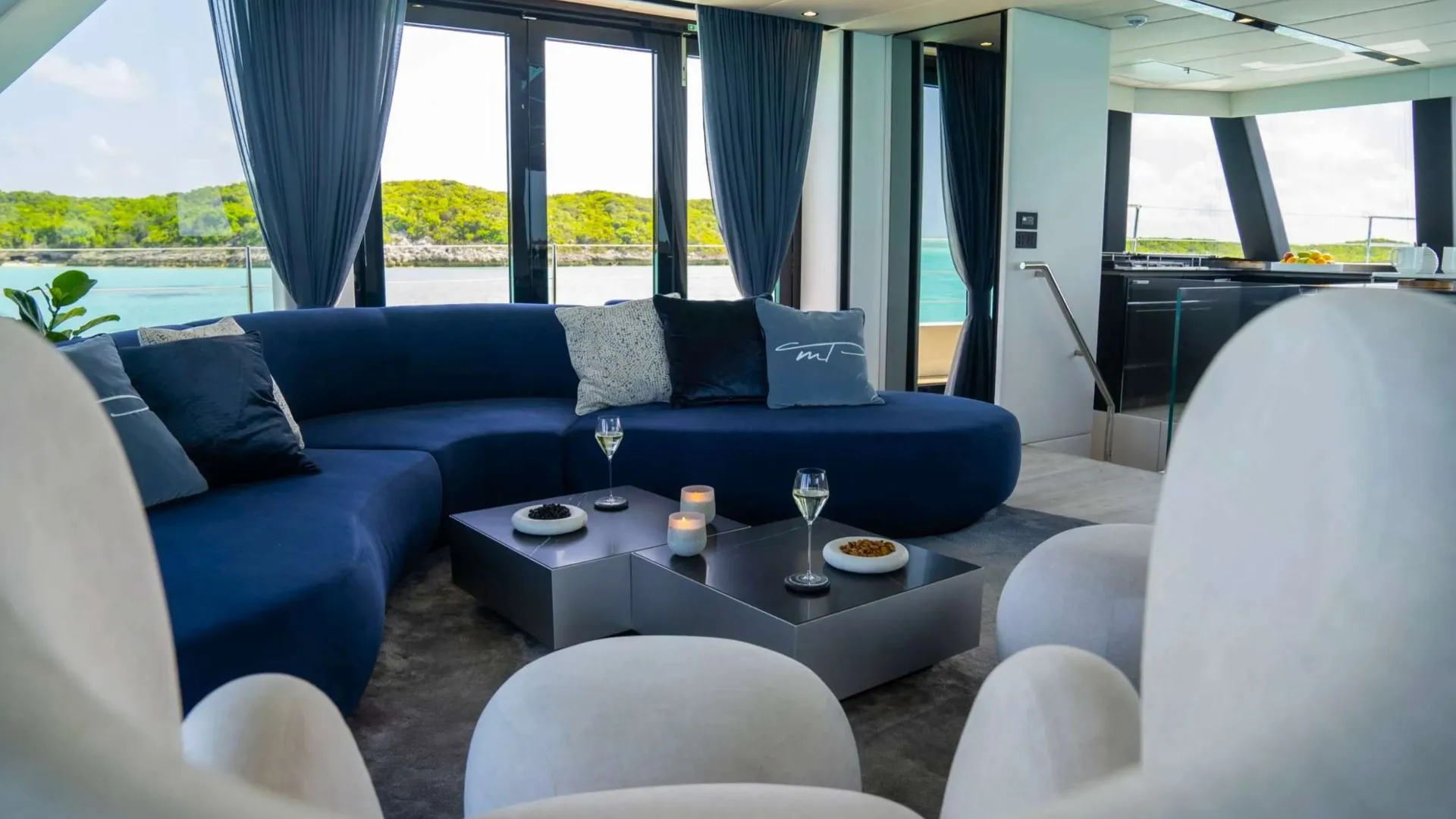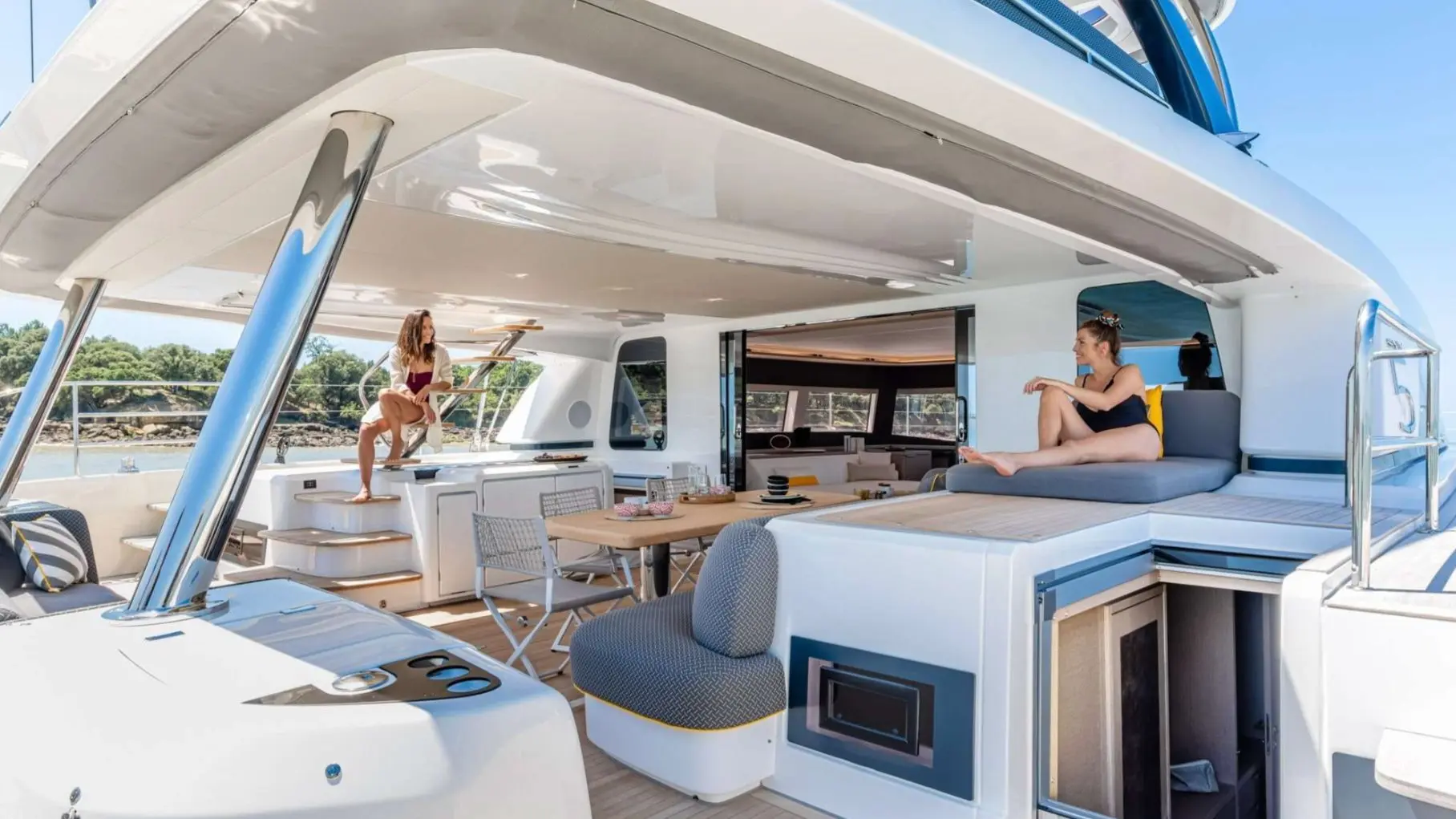

I’ll be honest — I didn’t grow up loving the water. The idea of jumping off the back of a boat into the deep blue Caribbean? Not exactly my dream vacation. If you’re considering a yacht but don’t like swimming, here’s what I wish someone had told me before our first charter: swimming is probably the least important part of the experience.
If you’ve been eyeing a Caribbean yacht charter vacation but keep hesitating because you don’t love swimming, you’re not alone. According to the CDC, 15.4% of U.S. adults — roughly 40 million people — report they don’t know how to swim (CDC Vital Signs, 2024). That’s a lot of people who might assume a yacht vacation isn’t for them. They’d be wrong.
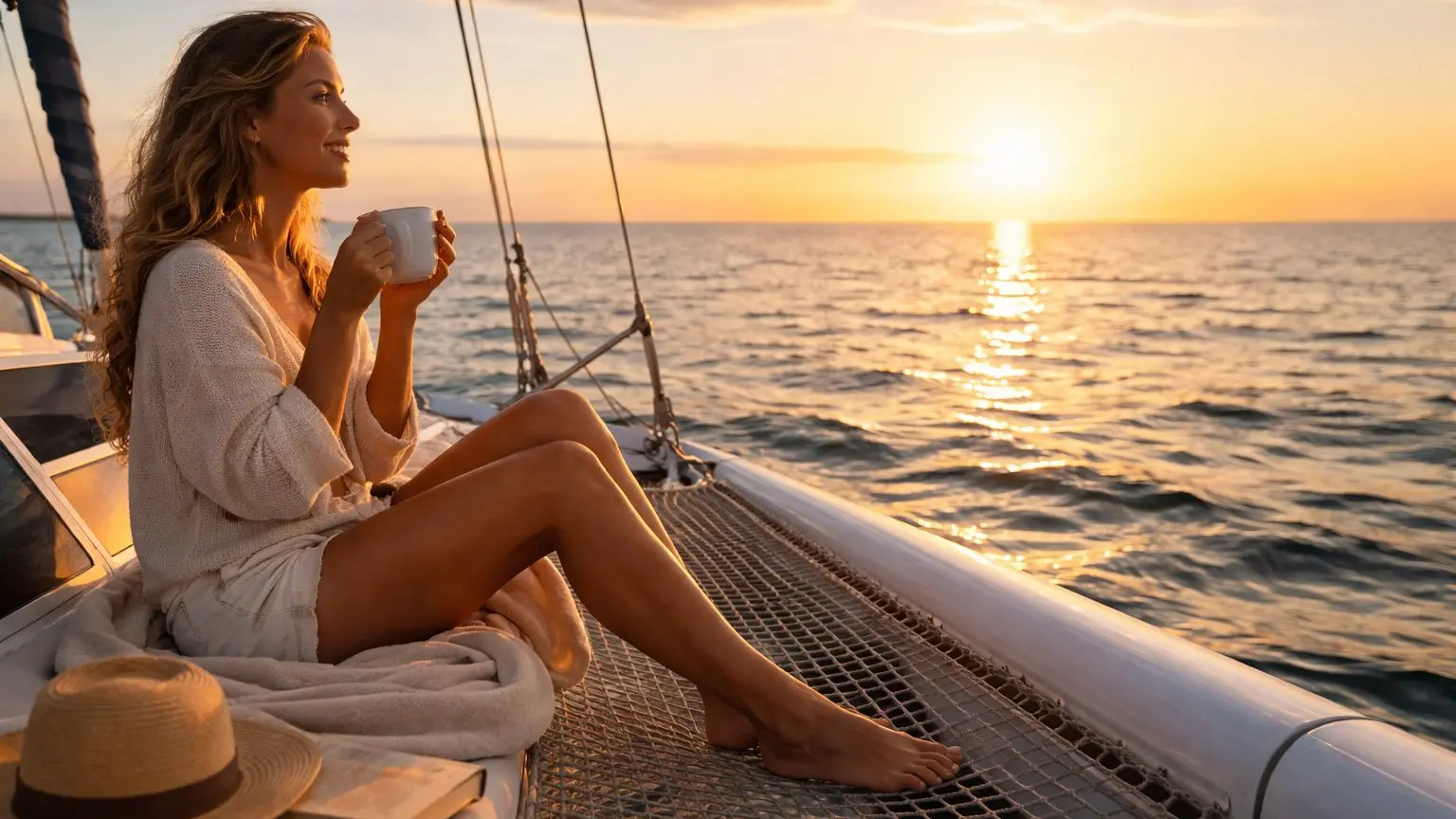
Here’s what actually fills your days on a crewed yacht: extraordinary meals prepared just for you, jaw-dropping sunsets, quiet mornings with coffee on the bow, and a crew that treats you like their only guest. Swimming? Completely optional.
TL;DR: A crewed yacht charter is one of the best vacations for non-swimmers. With a private chef, up to 1:1 crew-to-guest ratio, and flexible itineraries, it’s more luxury resort than water park. The CDC reports 15.4% of U.S. adults can’t swim — none of them need to skip this trip.
Do You Actually Need to Swim on a Yacht Charter?
The American Red Cross found that 54% of Americans either cannot swim or lack all five basic water competency skills (American Red Cross, 2014). That means over half the country wouldn’t pass a basic swim test — yet millions of them travel by boat every year without issue.
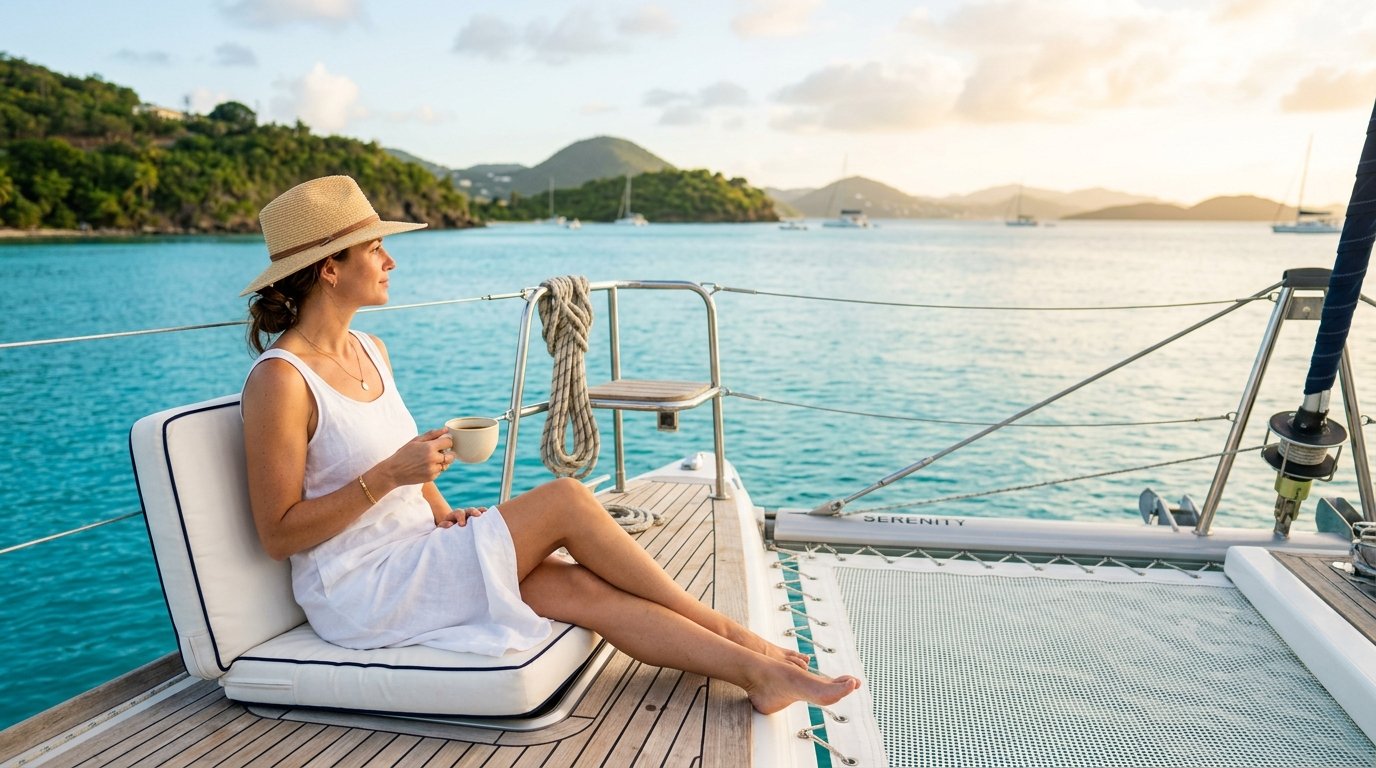
On a crewed yacht charter, nobody’s going to push you toward the swim platform. Your captain and crew build every day around what you want to do. Don’t feel like snorkeling? They’ll anchor somewhere with a beachside restaurant instead. Prefer to stay on deck while others swim? The steward will bring you a fresh cocktail and a magazine.
The yacht itself is incredibly stable — especially catamarans, which have two hulls and barely rock even at anchor. You won’t feel like you’re on a rickety boat. You’ll feel like you’re on a floating villa that happens to have a million-dollar view. Life jackets are always available, railings line every deck, and the crew conducts a full safety briefing before departure. There’s zero pressure and zero judgment.
Why the Crew-to-Guest Ratio Changes Everything
On luxury crewed yachts, the crew-to-guest ratio frequently reaches or exceeds 1:1 — meaning there’s at least one dedicated crew member for every guest aboard (Northrop & Johnson, 2024). Compare that to a luxury resort, where you might share a concierge with 50 other rooms, or a cruise ship with thousands of passengers.
This ratio is what separates a yacht charter from every other vacation I’ve ever taken. When I mentioned at breakfast that I’d love to try a local bakery on shore, our steward had the dinghy ready by 10 a.m. and knew exactly which one to recommend. When my daughter wanted paddleboarding lessons, the first mate spent an hour teaching her in a protected bay while I read a novel on the flybridge. Alone. In silence. It was glorious.
The level of personalized attention on a crewed yacht versus a luxury resort isn’t just different in degree — it’s different in kind. Your crew learns your coffee order on day one. They notice when you’re tired and suggest a quiet anchorage. They remember your kid’s food allergies without being told twice.
Our observation: We’ve noticed that guests who don’t swim often rate their experience higher than avid swimmers. Why? They spend more time enjoying the yacht’s premium amenities — the food, the service, the views — instead of rushing off to the next snorkel spot. They actually slow down.
A Private Chef Who Rivals Any Five-Star Restaurant
Half of all global travelers now book restaurants before booking flights, and nearly one in five plan entire trips around food experiences (Hilton 2025 Trends Report, 2025). On a crewed yacht, you don’t need to book a single reservation. Your private chef designs every meal around your preferences.
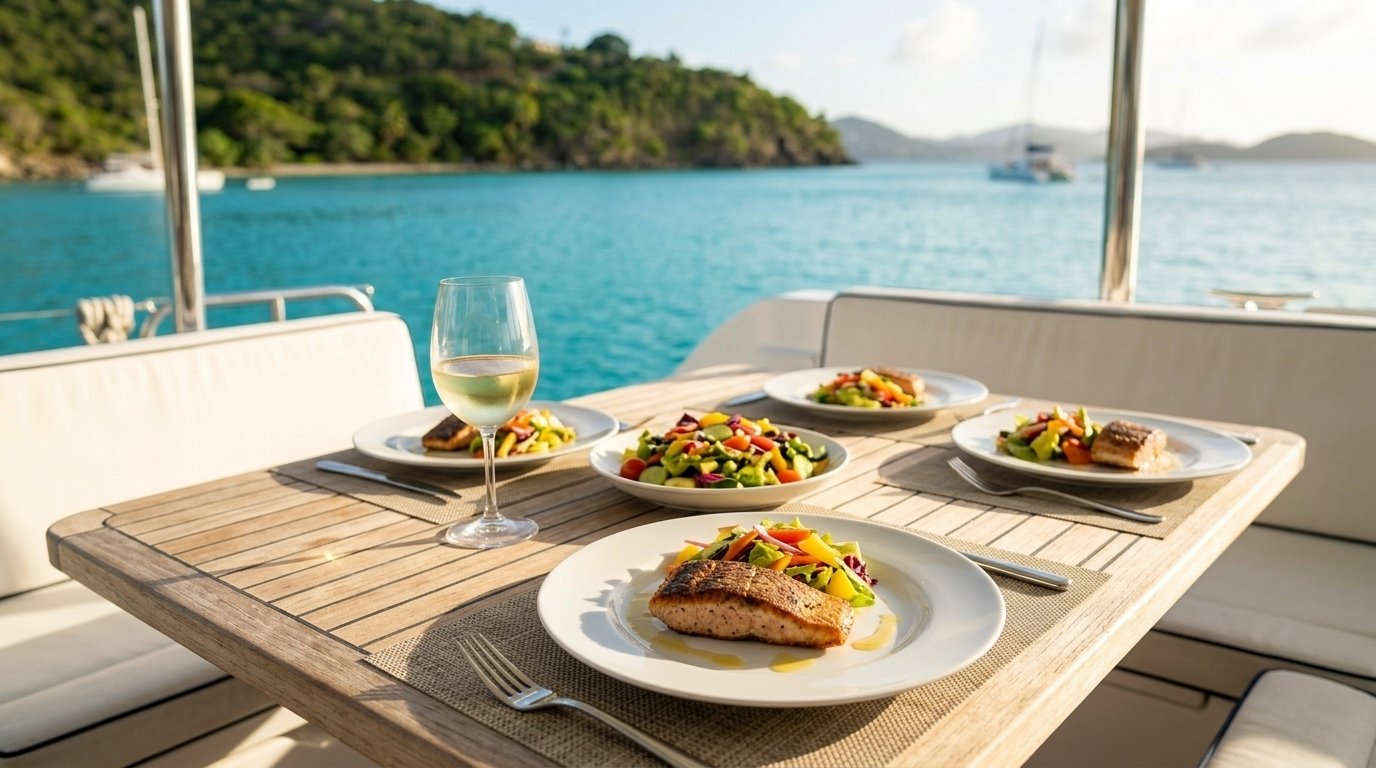
I’m talking about seared mahi-mahi caught that morning, paired with a crisp Sancerre, served on the aft deck while the sun dips behind a volcanic island. Or a custom charcuterie board at sunset because you casually mentioned you loved prosciutto two days ago. The culinary tourism market hit $1.09 trillion in 2024 (IMARC Group, 2024), and honestly? A yacht charter chef experience is the purest expression of it.
Every dietary need gets handled without fuss. Gluten-free, vegan, nut allergies, picky toddlers — your chef has seen it all. Before your trip, they’ll send a preference sheet asking about your favorites, dislikes, and allergies. By day two, they’re cooking like they’ve known your family for years. And with an all-inclusive yacht charter package, all of this is covered — no surprise bills at checkout.
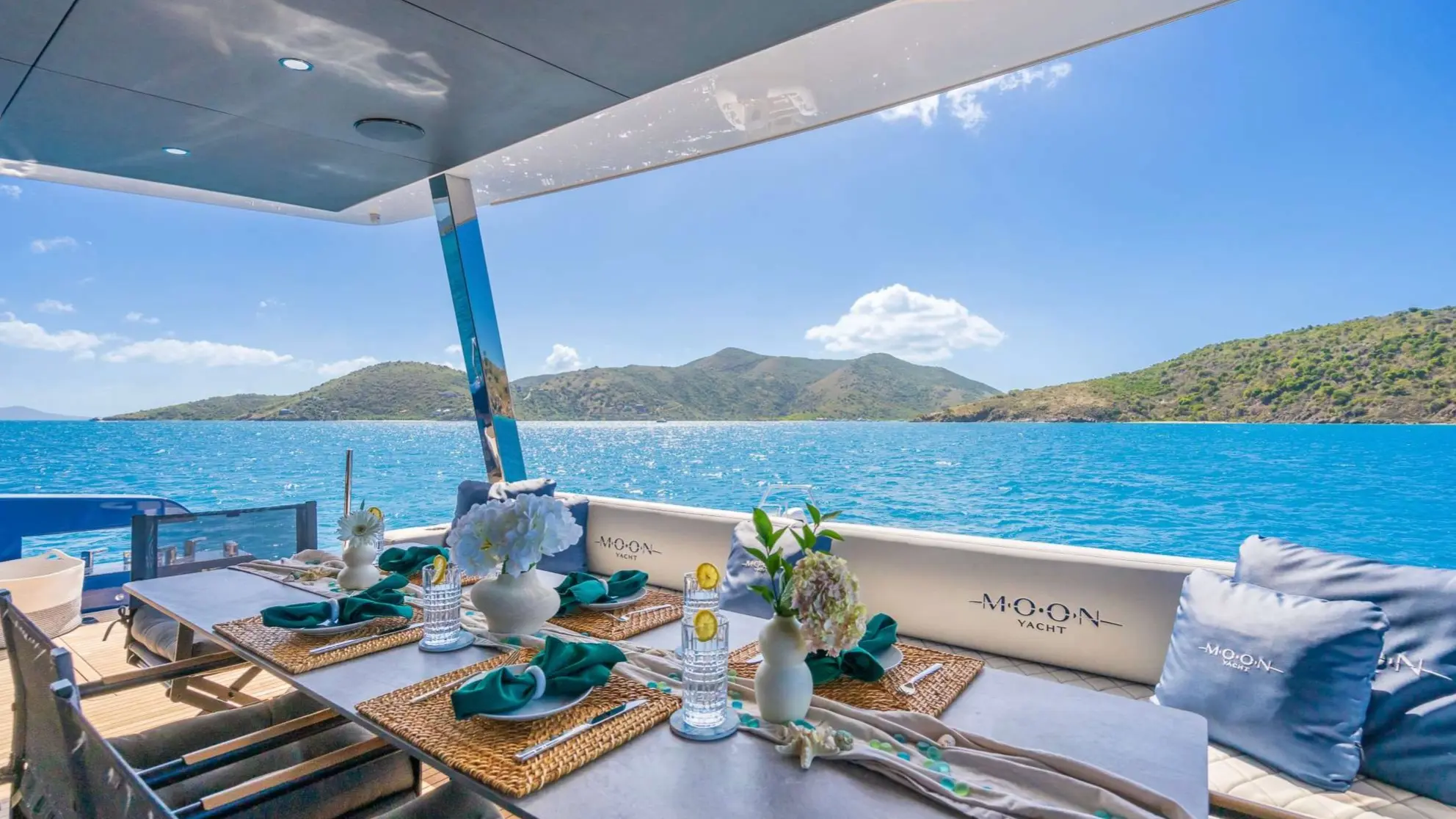
The dining setting alone makes it unforgettable. No restaurant on land can replicate eating a three-course lunch while anchored in a turquoise bay with no one else around. That’s not an exaggeration. That’s a Tuesday on a yacht.
Finally, Time Alone on a Family Vacation
A CivicScience survey found that 78% of parents with children under 18 find vacation planning at least somewhat stressful, while 69% of moms handle the majority of booking for family travel (CivicScience, 2024). Sound familiar? You spend weeks organizing the trip, and then the vacation itself becomes another job.
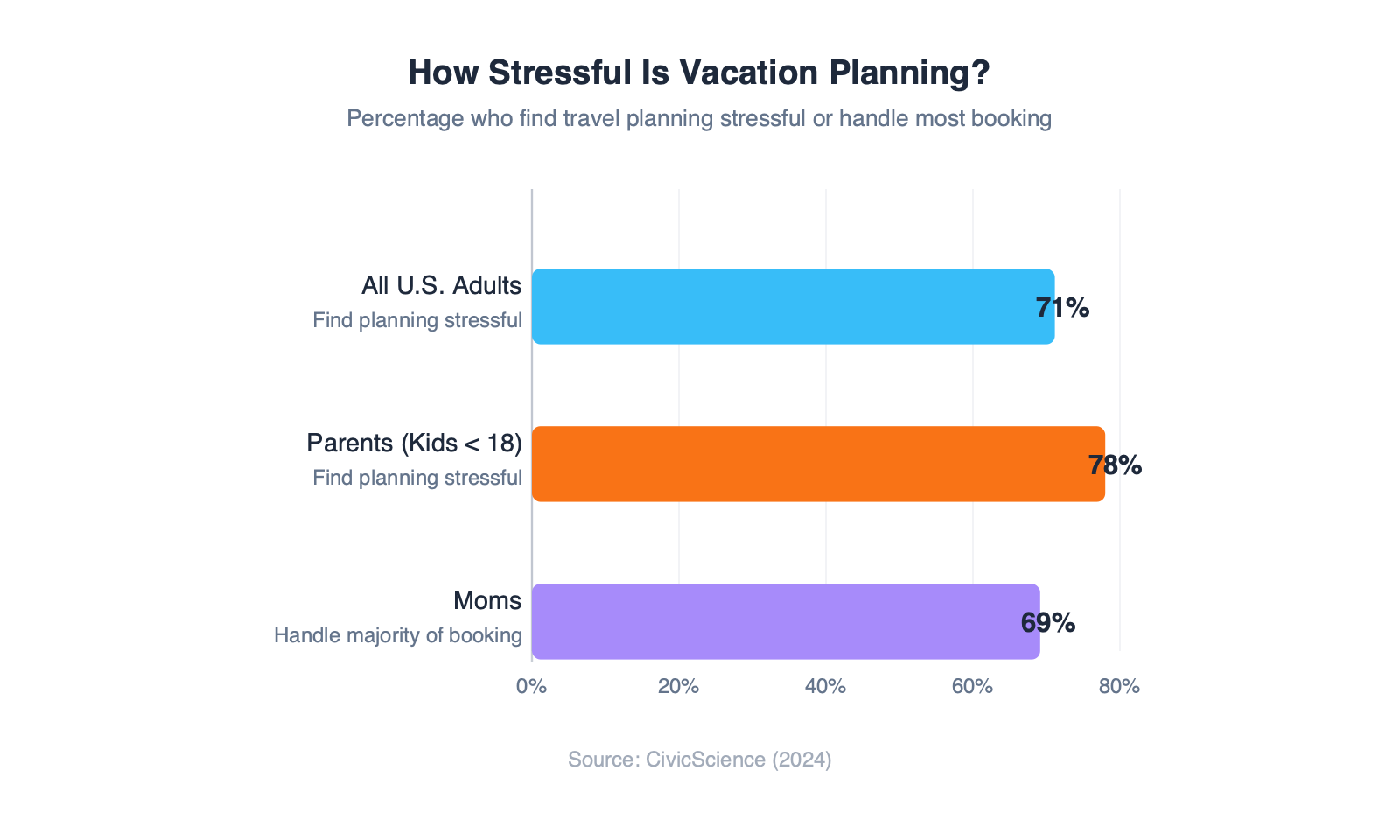
View data table
| Demographic | Metric | Percentage |
|---|---|---|
| All U.S. Adults | Find planning stressful | 71% |
| Parents (Kids Under 18) | Find planning stressful | 78% |
| Moms | Handle majority of booking | 69% |
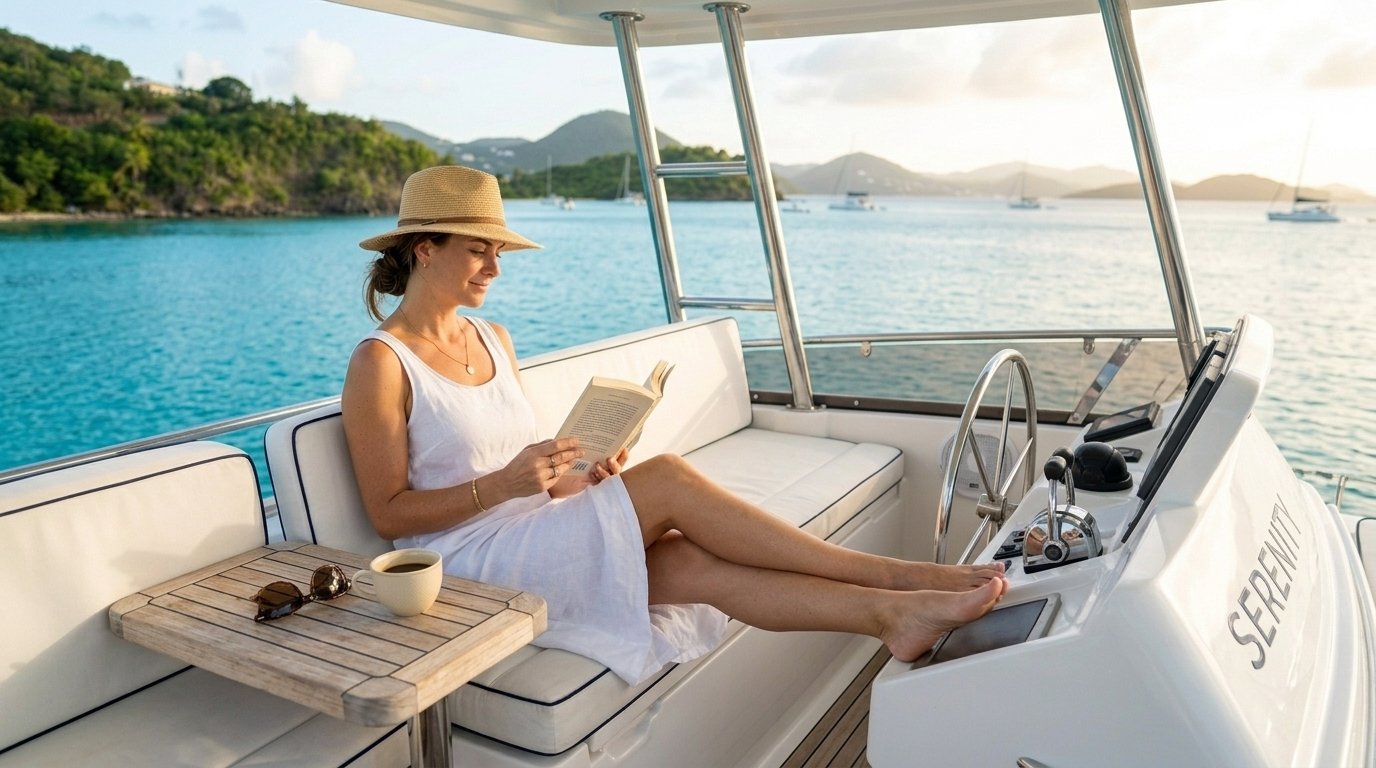
A yacht charter flips this completely. On our last trip, I woke up at 7 a.m. before anyone else, grabbed my coffee from the galley, and sat on the bow watching pelicans dive while the rest of my family slept in. For two solid hours, I had silence. Real silence — no hotel hallways, no pool announcements, no “Mom, can we go to the buffet?”
That’s the secret nobody talks about with chartering a catamaran in the Caribbean. The boat is big enough that you can genuinely find solitude. The flybridge, the foredeck, your private cabin, even the stern platform when everyone’s up front — there’s always somewhere to disappear. And the crew keeps the kids entertained without you having to orchestrate a single thing.
What most reviews miss: The biggest luxury on a crewed yacht isn’t the food or the views. For moms, it’s the permission to do nothing. The crew handles meals, cleanup, entertainment, and logistics. You don’t manage a single itinerary item. For perhaps the first time on a family trip, you’re actually a guest.
Your Itinerary, Your Pace — No Tour Bus Required
Women make 82% of all travel decisions according to industry research (Condor Ferries, 2024). Yet most traditional vacations still box you into someone else’s schedule — resort dinner seatings, cruise ship port times, group excursion departures. A yacht charter puts the itinerary entirely in your hands.
Don’t feel like getting up early? Tell the captain you’d rather sleep in and leave the anchorage after a late breakfast. Spotted a cute town on a hillside? Pull up to the dock and explore. Your best friend from the group wants to snorkel while you’d rather wander through a local market? No problem — the crew can arrange both simultaneously.
This flexibility is especially freeing when you explore Caribbean charter destinations. There’s no rushing from one port to the next like a cruise itinerary demands. Some of our best days happened when we scrapped the plan entirely and stayed anchored in a quiet bay because the vibe was just too perfect to leave.
And here’s the thing about not swimming: when you’re not chasing the next snorkel spot or dive site, you actually see more. You notice the way the light changes on the water at 4 p.m. You have time to sketch in a journal or learn how the captain reads the wind. Your vacation stops being a checklist and starts being an experience.
8 Things to Do on a Yacht That Don’t Involve Swimming
The global yacht charter market reached $8.98 billion in 2025 and is projected to grow to $18.20 billion by 2034 (Fortune Business Insights, 2025). That growth isn’t driven by swimmers alone. It’s driven by people who’ve discovered that a yacht is a floating platform for dozens of experiences. Here are the ones I love most:
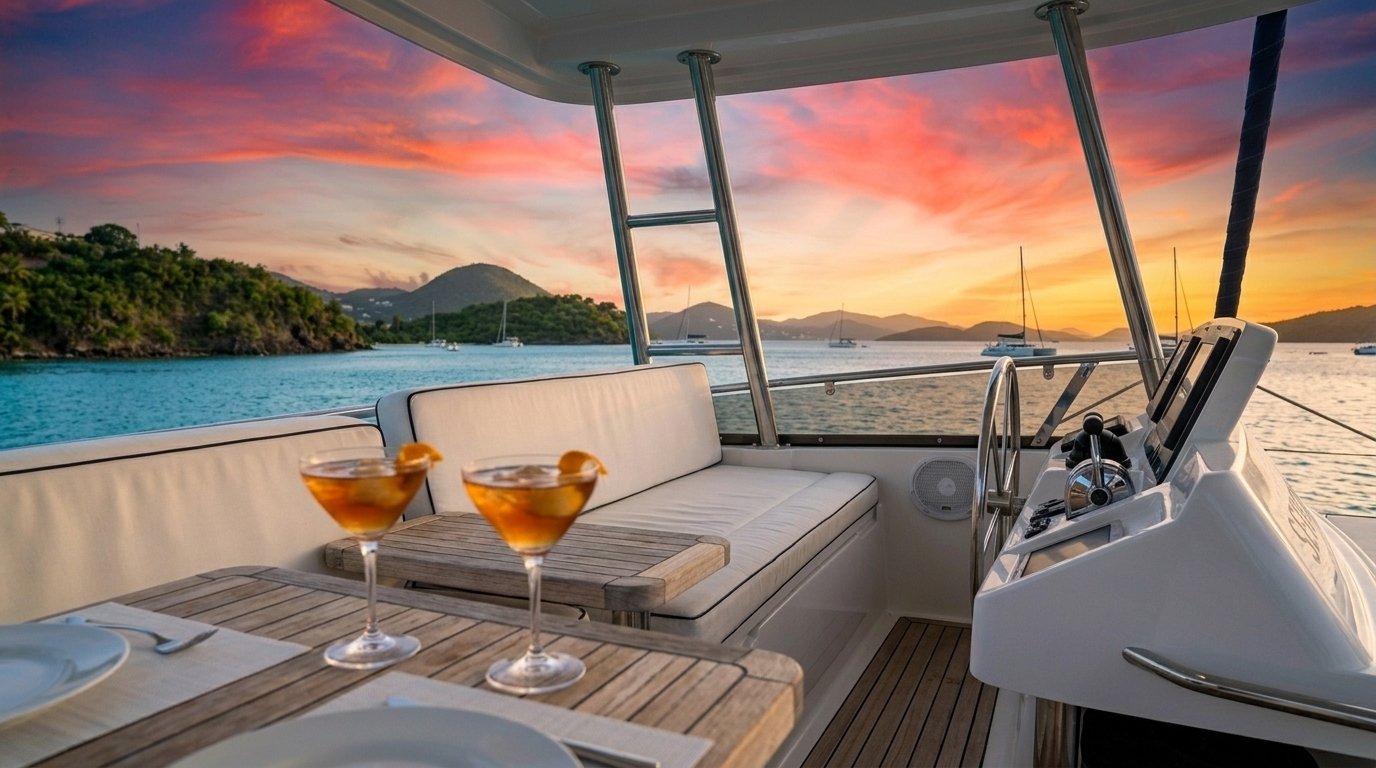
- Sunset cocktails on the flybridge. Every evening. Never gets old. The crew usually sets out appetizers and you watch colors you didn’t know existed paint the sky.
- Island hopping via dinghy or dock. You step off the boat onto a beach or pier — no swimming required. Browse shops in Jost Van Dyke, grab lobster at a beachside grill, explore a centuries-old fort.
- Kayaking in calm, shallow bays. Most yachts carry kayaks and paddleboards. In protected anchorages, the water’s often knee-deep for hundreds of feet. You can paddle without worrying about depth.
- Fishing off the stern. Ask the crew to set up a trolling line while underway. They’ll handle the gear, bait, and (best part) cleaning the catch. Your chef turns it into dinner.
- Exploring shoreside restaurants and bars. Some of the Caribbean’s best meals happen at tiny beach bars you’d never find on a cruise excursion. The crew knows them all.
- Stargazing from the open deck. Anchored away from shore with zero light pollution, the night sky is otherworldly. Bring a star-chart app and a blanket.
- Photography at golden hour. The light on the water, the islands silhouetted against the sky, the textures of the boat — yacht charters are a photographer’s playground.
- Reading with an ocean breeze. Sometimes the best thing on vacation is a great book, a shady spot on deck, and absolutely nothing else to do.
How Safe Are Yacht Charters for Non-Swimmers?
International maritime law under SOLAS (Safety of Life at Sea) regulations requires every charter vessel to carry life jackets for all passengers, fire extinguishers, emergency beacons, and certified safety equipment inspected annually. Your crew is trained in first aid, man-overboard procedures, and emergency protocols — it’s not optional, it’s law.
Catamarans in particular offer exceptional stability. Their wide dual-hull design means minimal rocking, even in moderate seas. The swim platform sits at water level with handrails, so even if you just want to dip your feet in, you’ve got solid support.
Before every charter, the captain conducts a thorough safety briefing covering life jacket locations, fire exits, radio operation, and what to do in an emergency. It takes about 15 minutes and it’s genuinely reassuring — not just a formality. You’ll feel how seriously the crew takes your safety, and it sets the tone for a relaxed, worry-free week.
Our observation: In our time as charter brokers, safety concerns are the number-one reason non-swimmers hesitate to book. Once they’re aboard and see the crew’s professionalism, the stable platform, and the complete absence of pressure to get in the water, that anxiety disappears within hours. Every single time.
Frequently Asked Questions
Can I go on a yacht charter if I can’t swim?
Absolutely. The CDC reports 15.4% of U.S. adults can’t swim (CDC Vital Signs, 2024), yet crewed yacht charters welcome non-swimmers daily. You’re never required to enter the water. The crew tailors every activity to your comfort level, and life jackets are always available if you want to try wading from the platform.
What do you do on a yacht if you don’t want to swim?
Plenty. Enjoy gourmet meals from your private chef, explore islands by stepping off at docks, kayak in shallow bays, fish off the stern, photograph sunsets, stargaze, read on deck, or simply relax while the crew handles everything. Most guests say they ran out of days before they ran out of things to do.
Is a crewed yacht charter safe for families with young children?
Yes. SOLAS regulations require child-sized life jackets, and crews are trained in child safety protocols. Catamarans offer wide, stable decks with netting barriers. Many families with toddlers and young children charter yachts in the Caribbean every season, and the 1:1 crew-to-guest ratio means extra eyes on your kids at all times.
How much does a crewed yacht charter cost?
Crewed catamaran charters in the Caribbean typically range from $15,000 to $40,000 per week for 6–8 guests, which often includes meals, drinks, and water toys. That breaks down to roughly $300–$700 per person per day — competitive with luxury resort pricing. Learn more about tipping your yacht crew to budget properly.
Do I need to pack anything special for a non-swimming yacht trip?
Pack as you would for a beach resort: light layers, sun protection, a hat, and comfortable shoes for shore excursions. Leave the snorkel gear behind — the yacht provides it for anyone who wants it. Bring a good book, a camera, and an open mind. You won’t need much else.
Your Yacht, Your Rules
A yacht charter isn’t a water sports trip. It’s a luxury vacation that happens to take place on the water. The swimming is incidental — the food, the service, the freedom, and the views are the real draw. And honestly? Some of the happiest guests I’ve seen are the ones who never put on a swimsuit.
If you’ve been holding back because you don’t like swimming, stop. You’re the exact person this vacation was designed for. Someone who wants to be taken care of, fed extraordinary meals, given space to breathe, and shown some of the most beautiful places on earth — all at your own pace.
Key takeaways:
- Swimming is 100% optional on a crewed yacht charter
- The 1:1 crew-to-guest ratio means deeply personalized service
- Your private chef creates restaurant-quality meals tailored to your tastes
- Flexible itineraries mean you move at your pace — no rushed schedules
- Yachts offer genuine alone time, even on family vacations
- Safety equipment and trained crew make non-swimmers completely comfortable
Ready to plan a yacht vacation where the water’s just the backdrop? See how a private catamaran charter compares to a small ship cruise, or reach out to our team to start designing a trip around exactly what you love.
Lorena Acosta is the co-founder and broker at Vital Charters. She is an regular yacht charterer, mother of 2, but not an avid swimmer.