
Key Takeaways:
-
Booking a yacht charter follows a defined sequence: brief, shortlist, hold, contract, deposit, preferences, itinerary.
-
In the Caribbean, many charters are all-inclusive, but definitions vary by yacht.
-
Crew fit matters as much as the yacht itself.
-
The preference process is what turns a charter into a personalized experience.
Booking a yacht charter can feel opaque the first time you do it, especially because pricing, inclusions, and onboard expectations vary by destination and yacht. The good news is that the process is predictable once you know the sequence: you work with a yacht broker to match the right yacht and crew to your group, you sign a charter contract, then you complete a preference process so the boat is stocked, routed, and staffed around your priorities.
This guide walks you through how to book a yacht charter, with a special focus on Caribbean crewed charters, where terms are often all-inclusive (or close to it) compared to other regions.
Why book through a yacht broker (especially in the Caribbean)
A professional yacht broker acts as your advisor and project manager from first call to embarkation. In the Caribbean, brokers are particularly helpful because many yachts operate under standardized regional practices and paperwork, and the same island chain can involve different ports, fees, and routing realities depending on where you start.
A good broker helps you:
- Compare like-for-like pricing when some yachts are all-inclusive and others are “plus expenses.”
- Match your group to a crew whose strengths fit your style (family-focused, adventurous, corporate-level service, dive expertise, culinary focus).
- Review the charter contract language so you understand payments, cancellation, and what is (and is not) included.
- Coordinate the preference sheet so the yacht feels ready from minute one.
If you want an overview of curated destinations and yacht options, you can start with the fleet and guides at Vital Charters.
Step 1: Define your trip brief (before you look at yachts)
Before a broker can shortlist the right yachts, you need a clear “charter brief.” This is not formal, it is simply the inputs that control availability and fit.
Your broker will typically ask for:
- Dates and flexibility: Even shifting by a day can open up better yachts.
- Destination: For Caribbean charters, the start point matters (for example, BVI vs St. Martin vs Antigua).
- Guest count and cabin preferences: Couples vs singles, kids, early sleepers, privacy needs.
- Budget range: Include whether you want all-inclusive terms.
- Vibe: Relaxed beach days, active water sports, diving, nightlife, fine dining, celebration, corporate retreat.
In the Caribbean, it also helps to mention whether you prefer:
- Short hops with more beach time.
- Longer sails between islands.
- Protected waters (often calmer for kids and first-timers).
Step 2: Your broker shortlists yachts that fit your group and priorities
This is where the broker’s experience adds real value. Two yachts can look similar on paper, but deliver very different trips.
Amenities vary yacht by yacht
Each yacht has its own onboard “toolkit.” Your shortlist should consider:
- Water toys: Paddleboards, kayaks, e-foils, seabobs, towables, fishing gear.
- Diving support: Some crews are dive-centric; others may arrange third-party dive ops.
- Layout: Cabin sizes, bed configurations, kids’ suitability, indoor vs outdoor dining.
- Stabilizers and comfort features: Important for guests prone to seasickness.
- Connectivity: Expectations for Wi‑Fi and remote work vary widely.
Crew strengths matter as much as the yacht
A crew is not interchangeable. Your broker will often guide you toward crews that match your group type, for example:
- Family groups: Crews known for warm hosting, kid-friendly meals, flexible schedules, and patient instruction with water sports.
- Adventure-focused groups: Crews that love early starts, know the best snorkel and hike spots, and are confident running toys efficiently.
- Corporate charters: Crews with polished service flow, discretion, and the ability to support a tighter timetable.
- Celebrations: Crews experienced with themed nights, special menus, cake coordination, and onboard event pacing.
If you are comparing multiple options, ask your broker what each crew is “famous for,” not just what is included.

Step 3: Confirm availability and place a hold (option) on your top yacht
Once you have a favorite, your broker will typically request an “option” (a temporary hold) while you finalize details. Holds are time-limited and vary by yacht.
During this window, your broker may help you:
- Clarify the cruising area and likely embarkation/disembarkation ports.
- Confirm special needs (accessibility, mobility constraints, medical considerations).
- Align expectations on all-inclusive terms and any additional charges.
Step 4: Review and sign the charter contract (with broker guidance)
This is the formal part of booking a yacht charter. Your broker will walk you through the charter contract so you understand the commercial and legal terms before you sign.
Caribbean contracting norms: often all-inclusive
Many Caribbean crewed yacht charters are quoted on an all-inclusive basis (or close to it), which typically bundles core operating costs into the charter fee. That said, “all-inclusive” can still have exceptions, and definitions differ by yacht.
Your contract will state exactly what is included. In the Caribbean, it is common to see:
- Charter fee and what it covers.
- Payment schedule (deposit, interim payments, balance due date).
- Cancellation terms.
- Delivery and redelivery ports and times.
- Guest count and conduct requirements.
- Insurance and liability language.
Some Caribbean charters use regional industry forms and practices. For background on Caribbean yachting standards, you can reference organizations like the Caribbean Yacht Brokers Association (CYBA).
Key contract items your broker will help you sanity-check
Rather than reading every clause alone, focus on the few areas that most often impact first-time charterers:
- What “all-inclusive” includes on this specific yacht: Meals, standard beverages, fuel for normal cruising, water sports, crew gratuity (often not included), and any stated exclusions.
- Taxes and fees: Local taxes can apply depending on jurisdiction and itinerary.
- Gratuity guidance: Your broker can explain what is customary for the destination.
- APA vs all-inclusive: In some regions (and some Caribbean programs), you may see an Advance Provisioning Allowance (APA) used to fund variable expenses. Caribbean all-inclusive terms often reduce or eliminate APA, but not always.
Here is a practical, high-level comparison to help you know what to ask (your signed contract always governs):
| Topic | Caribbean all-inclusive (common) | “Plus expenses” / APA model (common in some regions) |
|---|---|---|
| Food and standard drinks | Typically included | Typically paid from APA |
| Routine cruising fuel | Often included (within reason per contract) | Typically paid from APA |
| Port fees and permits | Sometimes included, sometimes excluded | Typically paid from APA |
| Crew gratuity | Commonly excluded | Commonly excluded |
| Transparency of onboard spend | Higher predictability | More itemized tracking of expenses |
Key:
-
All-Inclusive Model = Core operating expenses bundled into the charter fee.
-
APA (Advance Provisioning Allowance) = A prepaid allowance used to cover variable expenses, reconciled at the end of the charter.
Step 5: Pay the deposit and lock in the booking
After you sign, you will pay the deposit per the contract schedule. This is what converts an option into a confirmed charter.
Your broker will confirm:
- Receipt of signed documents.
- Payment timelines and methods.
- The calendar for preferences, itinerary planning, and final balance.
Tip: Popular holiday weeks (especially Christmas and New Year’s) book far in advance in the Caribbean. If those dates matter, start early and be ready to move quickly once the right yacht appears.
Step 6: Complete the preference process (so the yacht feels “yours”)
This is the part many first-time clients underestimate, and it is where luxury charters truly become bespoke.
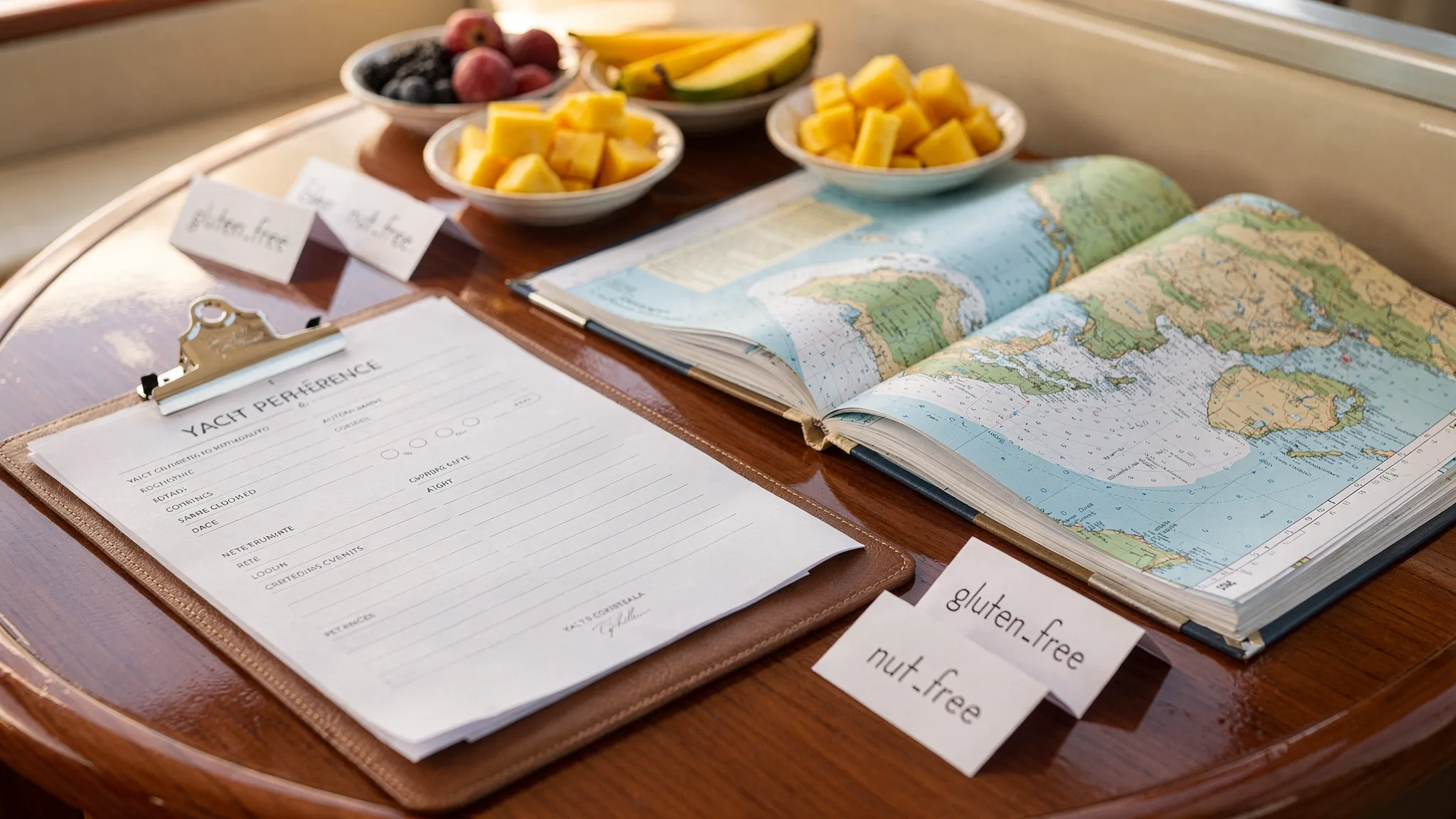
Once you are booked, your broker will coordinate a preference workflow (often via a preference sheet plus follow-up questions) to align the yacht and crew with your expectations.
The essentials you will be asked for
Most crews want preferences early enough to provision properly and plan activities. Expect to provide:
- Guest information: Names, ages (especially for kids), and any relevant notes.
- Dietary needs and allergies: Plus preferences, not just restrictions.
- Meal style: Family-style vs plated, adventurous vs classic, kids’ meal timing.
- Beverages: Wine and cocktail preferences, non-alcoholic options, brand requests.
- Daily rhythm: Early starts vs sleep-ins, active mornings vs long lunches.
- Activities: Snorkeling priorities, fishing interest, beach days, hikes, island nights.
- Cabin assignments: If you want the crew to set cabins up a certain way.
- Celebrations: Birthdays, anniversaries, proposals, surprises.
Why this step matters in the Caribbean
In the islands, provisioning quality is excellent, but availability can vary by location and season. Clear preferences help the crew source the right items in the right place and avoid last-minute compromises.
Step 7: Final itinerary planning (flexible by design)
Many clients think they must pre-plan every stop. In reality, the best yacht itineraries balance structure and freedom.
Your broker and crew will help you plan around:
- Wind and sea conditions.
- The experience level of your group.
- Must-see anchorages and backup options.
- Reservations (if you want a specific beach club or onshore dinner).
- Clearance requirements if your itinerary crosses jurisdictions.
For Caribbean charters, it is common to set a “wish list” itinerary, then finalize day-by-day based on conditions and your mood.
Step 8: Pre-departure checklist (travel, packing, and expectations)
A smooth embarkation starts with a few practical details handled in advance.
Documents and logistics
Plan for:
- Passport validity appropriate for your itinerary.
- Any visas that may apply depending on nationality and routing.
- Arrival timing so you are not rushing to the dock.
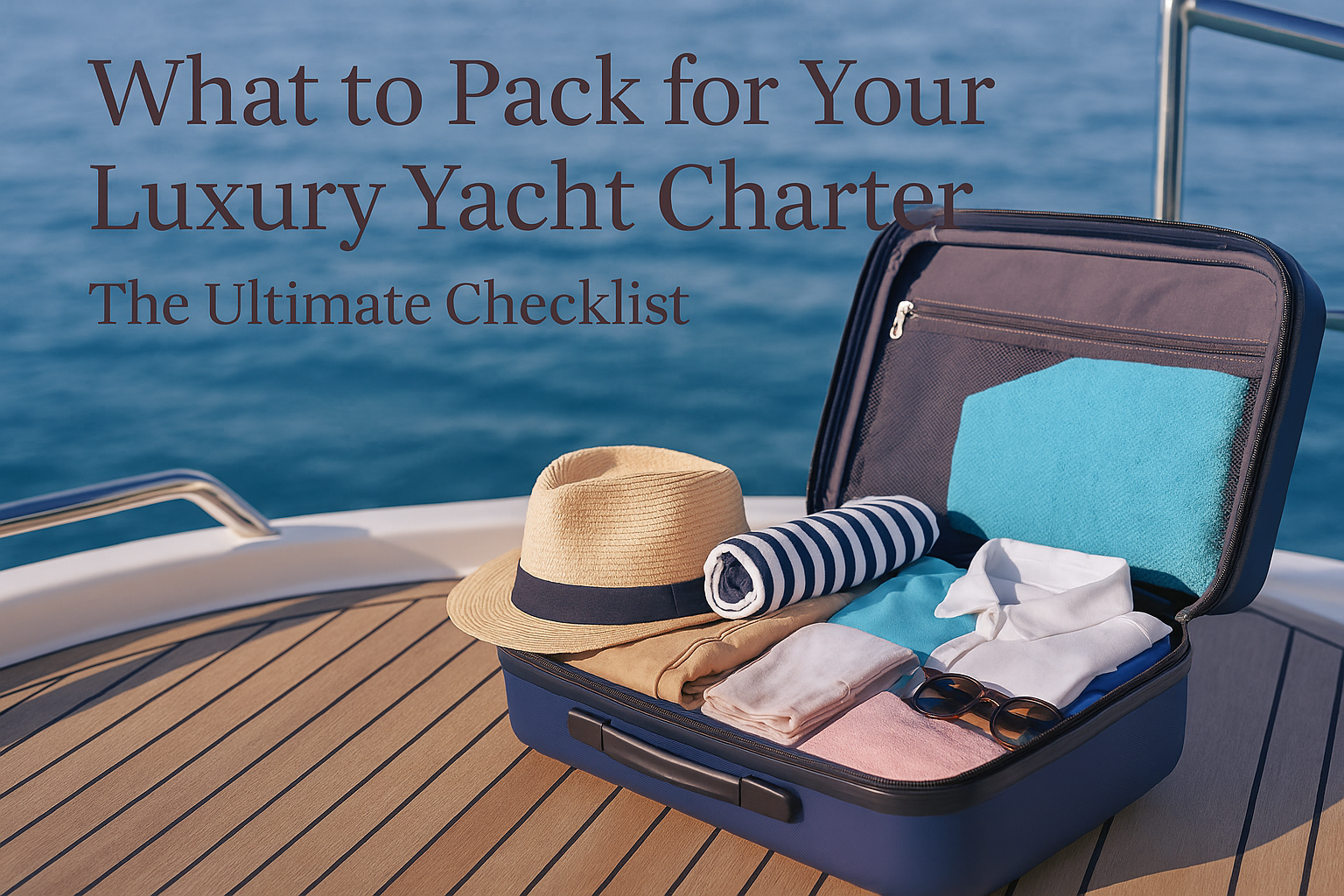
Packing guidance (keep it simple)
Most luxury charters are intentionally casual. Consider:
- Soft-sided luggage (often easier for yacht storage).
- Reef-safe sunscreen where required or recommended.
- Light layers for evenings and breezy sails.
Your crew or broker may also share yacht-specific guidance (shoe policies onboard, towel and laundry expectations, and what is already provided).
Step 9: Embarkation, safety briefing, and settling in
On charter day, the crew will welcome you aboard, review safety, and show you the yacht’s flow. This is also when your preferences begin to pay off: cabins are set, welcome drinks reflect your tastes, and the first day typically eases you into the rhythm of the trip.
If something is not as expected, tell the crew early. Great crews prefer quick, clear feedback so they can adjust.
How Vital Charters can help you book with confidence
If you want a guided approach from yacht selection through contracting and preference planning, Vital Charters can connect you with a broker-led process designed around your group, destination, and comfort level. Start with your dates, guest count, and what “luxury” means for your trip (privacy, food, adventure, or effortless downtime), then let the shortlist and contracting steps follow in order.
Quick recap: the booking flow in one view
Booking a yacht charter typically follows this sequence: align on your trip brief, have a broker shortlist yachts based on amenities and crew strengths, place a hold, sign the charter contract, pay the deposit, complete preferences, then finalize itinerary details and arrive ready to enjoy.
People Also Asked
How much does a Caribbean crewed yacht charter typically cost?
Pricing depends on yacht size, season, and inclusions. In the Caribbean, crewed catamarans often start in the mid-five figures per week, while larger motor yachts can range significantly higher. The charter contract defines exactly what is included.
What is included in an all-inclusive yacht charter in the Caribbean?
Most Caribbean all-inclusive charters include crew, meals, standard beverages, routine cruising fuel within agreed limits, and water toys. Taxes, special requests, premium alcohol, and crew gratuity may be excluded. The contract specifies inclusions.
Is it better to choose an all-inclusive charter or an APA model?
If you prefer cost predictability, Caribbean all-inclusive programs are often simpler. If you want itemized expense tracking and broader flexibility in cruising style, an APA structure may be appropriate. Your broker can help determine the right fit.
How far in advance should I book a yacht charter in the Caribbean?
For standard winter dates, booking six to nine months in advance provides strong availability. For peak weeks such as Christmas and New Year’s, booking a year or more ahead is common to secure preferred yachts.